Age and activity
The ageing thymus in people and mice
An age pattern in human serum, an organ culture and an experiment in living mice put different demands on the idea of recovery.
Human thymulin titres across life
A cross-sectional study in normal human subjects found that serum thymulin titres peaked in childhood and progressively declined from adolescence onward, reaching low levels in older adults. Cross-sectional means the investigators compared people at different ages, rather than following the same people throughout life.
The descending pattern invites a repair specification: restore the earlier measurement and the later system will work like the earlier one. The study provides an age distribution. A claim about the consequences of restoration would call for an intervention and outcomes to match it.
For that question, the mouse experiments offer something more active to examine.
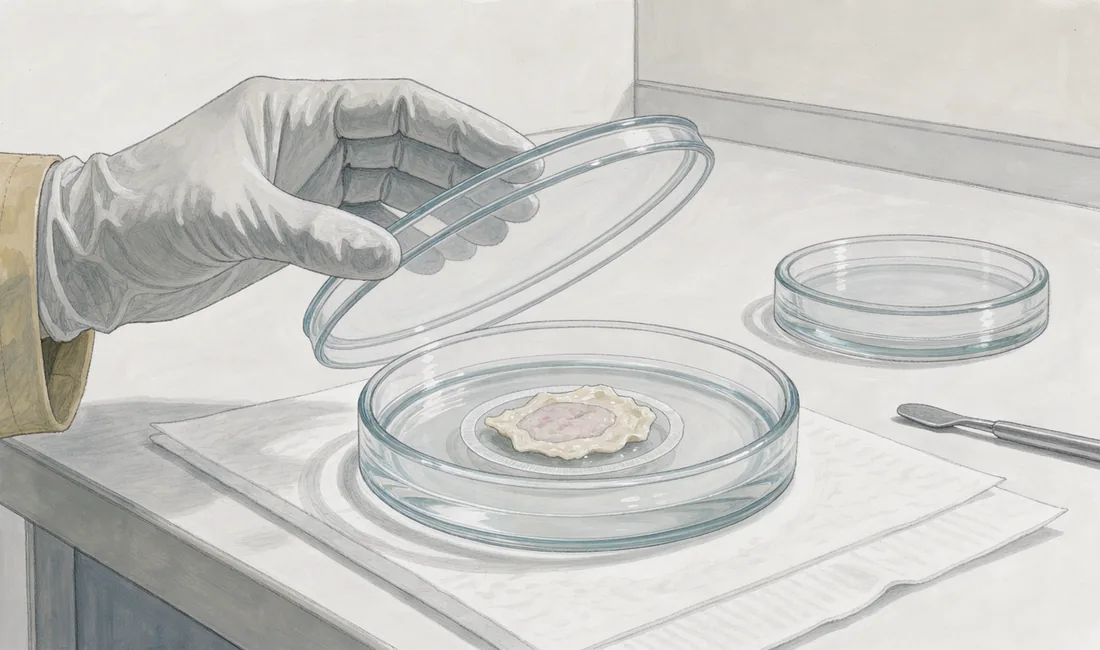
Cultured thymus from old mice
In organ cultures from 24-month-old BALB/c mice, zinc added in vitro reversed the age-related thymulin secretion defect. The authors interpreted this as reduced zinc saturation of the peptide rather than a primary failure of synthesis or secretion.
This is the experiment that sharpens the workshop comparison for me. An apparent failure of output prompted an investigation of assembly. The tissue still had a response available under the culture conditions. That experimental distinction earns my respect, while the setting remains cultured mouse thymus.
Zinc supplementation in living mice
A separate experiment in 22-month-old mice used oral zinc supplementation for one month. It corrected a negative crude zinc balance and produced full recovery of thymic function with organ regrowth, alongside partial restoration of peripheral immune efficiency measured through mitogen responses and natural-killer-cell activity.
The contrast between full thymic recovery and partial peripheral recovery is the important qualification for me. Different parts of the immune system supplied different degrees of response. In deep zinc deficiency, the low thymulin levels reflected reduced peripheral zinc saturation of the peptide, according to that study, rather than primary thymic failure.
I come away with a more interesting problem than a general slogan about reversing age: which component responded, under which deficiency conditions, and how much of the wider system followed? The human age distribution and these mouse interventions sit beside each other without becoming interchangeable.